Pepper Soup Ingredients List
Nigerian pepper soup needs six dried and fresh spices plus a simple savoury base, all cooked into a stock made from your protein.
- Uda (negro pepper, also grains of Selim or eru)
- Uziza seeds (West African black pepper, iyere)
- Ehuru (calabash nutmeg)
- Alligator pepper (ose oji)
- Aidan fruit (uyayak or prekese)
- Scent leaf (efirin) or utazi
- Scotch bonnet (ata rodo)
- Onion
- Ground crayfish
- Seasoning cube and salt
- Protein: catfish, goat meat, chicken or assorted meat
Written from the kitchen at Chipat Bar in Ikoyi, Lagos, where we grind this blend fresh every week.
Pepper Soup Ingredients List at a Glance
| Ingredient | What it does |
|---|---|
| Uda (negro pepper) | Smoky, woody backbone of the blend |
| Uziza seeds | Sharp, green peppery lift |
| Ehuru (calabash nutmeg) | Warm, nutty, rounds the spices together |
| Alligator pepper (ose oji) | Slow, perfumed heat |
| Aidan fruit (uyayak) | Sweet, clove-like aroma |
| Scent leaf or utazi | Fresh herbal finish, added last |
| Scotch bonnet (ata rodo) | The chilli heat |
| Onion | Sweet savoury base |
| Ground crayfish | Deep savoury flavour |
| Seasoning cube and salt | Balances the broth |
Plus your protein: catfish, goat meat, chicken or assorted meat. Full details on each spice below.
It Was Never About the Heat
The name misleads people. Visitors hear "pepper soup" and brace for chilli, then spend the first spoonful looking for it. The heat is there, but it is the least interesting thing in the bowl.
What makes Nigerian pepper soup distinctive is a set of dried West African aromatics that exist almost nowhere else in world cooking: smoky uda, sharp uziza, warm ehuru, perfumed alligator pepper. Remove the scotch bonnet and you still have pepper soup. Remove those, and you have hot broth.
Below is the full list, spice by spice, with both the Nigerian name and the botanical one, what each does to the broth, and how the blend shifts by region and by protein.
List of Pepper Soup Spices in Nigeria
Uda (Negro Pepper)
Xylopia aethiopica
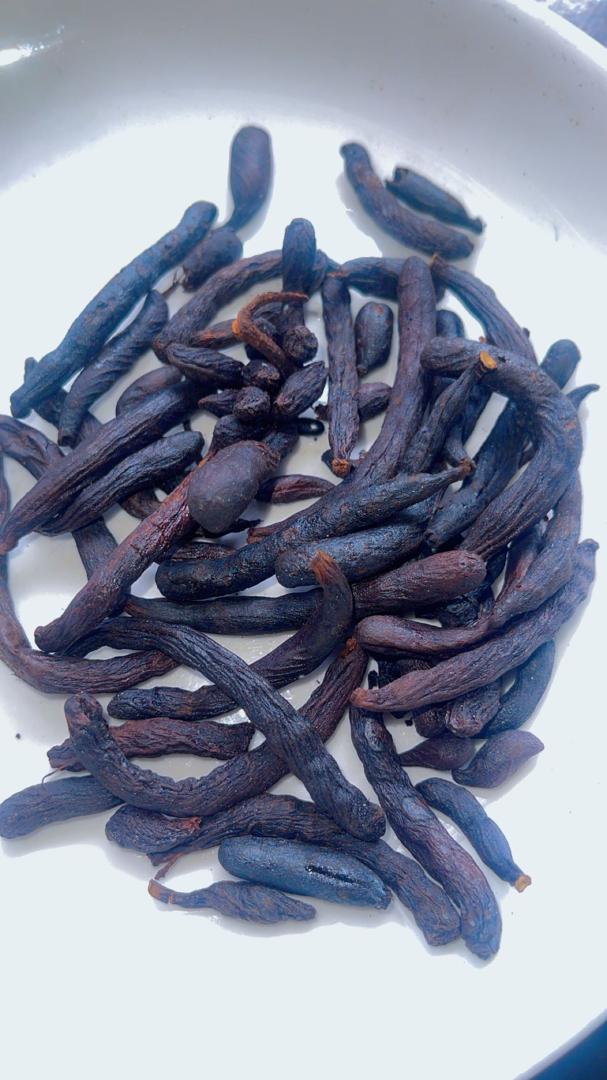
Uda is the anchor of the blend. The dried pods are dark, twisted and thin, and when you crack one open the smell is woody and smoky with a faint bitterness behind it. This is the scent most Nigerians recognise as pepper soup before they have even seen the bowl.
In the broth, uda does structural work. It carries the other spices, stops the soup tasting flat, and leaves a warm resinous finish on the tongue. Toast the pods lightly in a dry pan before grinding and the difference is immediate.
You will also see uda sold as grains of Selim, kili pepper or Ethiopian pepper, and in Yoruba markets as eru. Buy pods that are dry and fragrant, not soft or musty. Use it with a light hand, because too much tips the soup bitter.
Uziza Seeds
Piper guineense
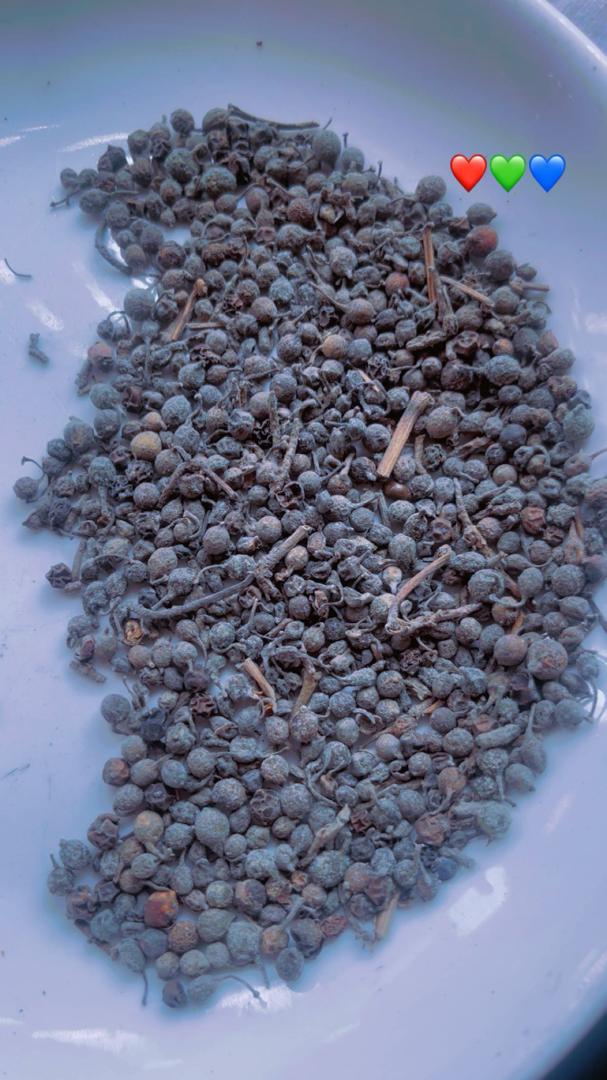
Uziza seeds look like small hard peppercorns and behave like them too, but sharper and greener. They bring a clean peppery bite that sits apart from the heat of scotch bonnet: less burn, more lift.
Uziza is what makes catfish and croaker pepper soup taste bright instead of heavy. It cuts through the natural oils of the fish. Use the seeds ground for the broth, and if you can find the fresh uziza leaf, tear a little in at the end.
Outside Igbo kitchens, uziza goes by West African black pepper, Ashanti pepper or iyere in Yoruba. The seeds keep for months in a sealed jar. Grind them just before cooking, since the bite fades fast once powdered.
Ehuru / Calabash Nutmeg
Monodora myristica
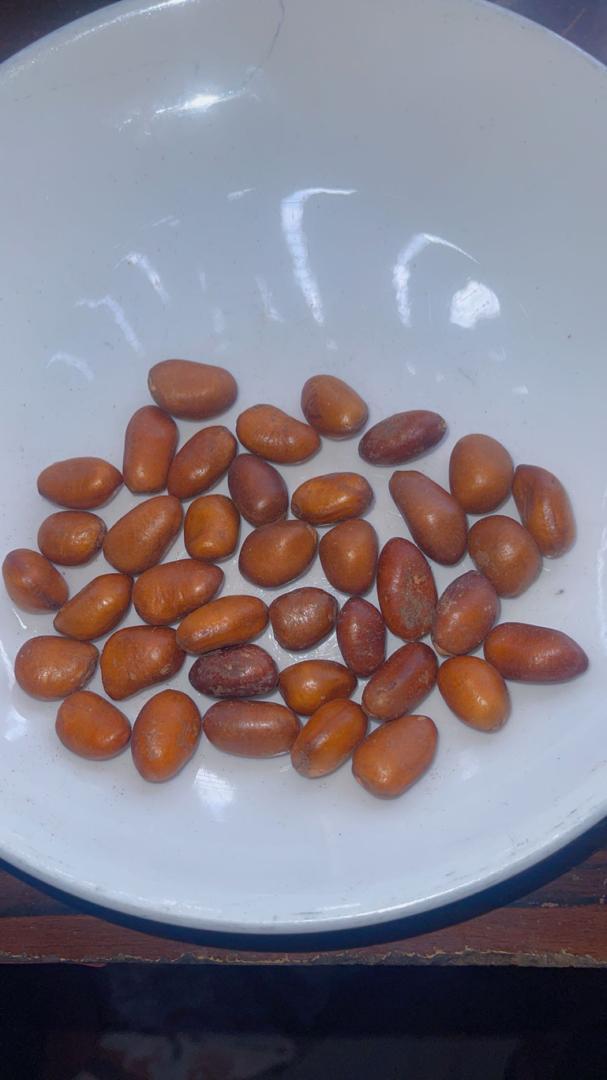
Ehuru is the rounding spice. The seed is roasted, cracked out of its shell and grated, and it tastes like nutmeg that has spent time in the sun: warmer, nuttier, slightly camphorous.
Its job is to soften the edges. Without ehuru a pepper soup can feel like sharp notes shouting over each other. With it, the broth reads as one flavour rather than five. A little is enough; too much turns the soup soapy.
Alligator Pepper and Aidan Fruit
Aframomum melegueta and Tetrapleura tetraptera
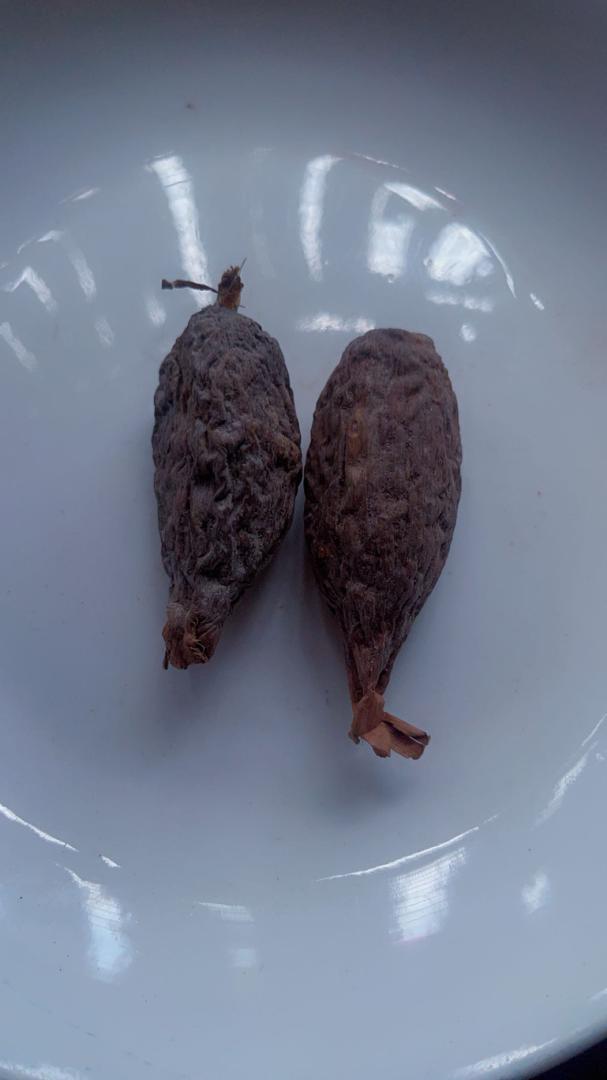
Alligator pepper (ose oji) comes in a pod full of small brown grains with a hot, cardamom-like perfume. It gives heat that arrives late and spreads slowly, quite unlike the immediate sting of fresh chilli.
Aidan fruit, called uyayak or prekese, is the sweet counterweight. A single dried pod dropped into a simmering pot releases a molasses-and-clove aroma that makes the whole kitchen smell like a celebration. Fish it out before serving.
Scent Leaf (Efirin)
Ocimum gratissimum
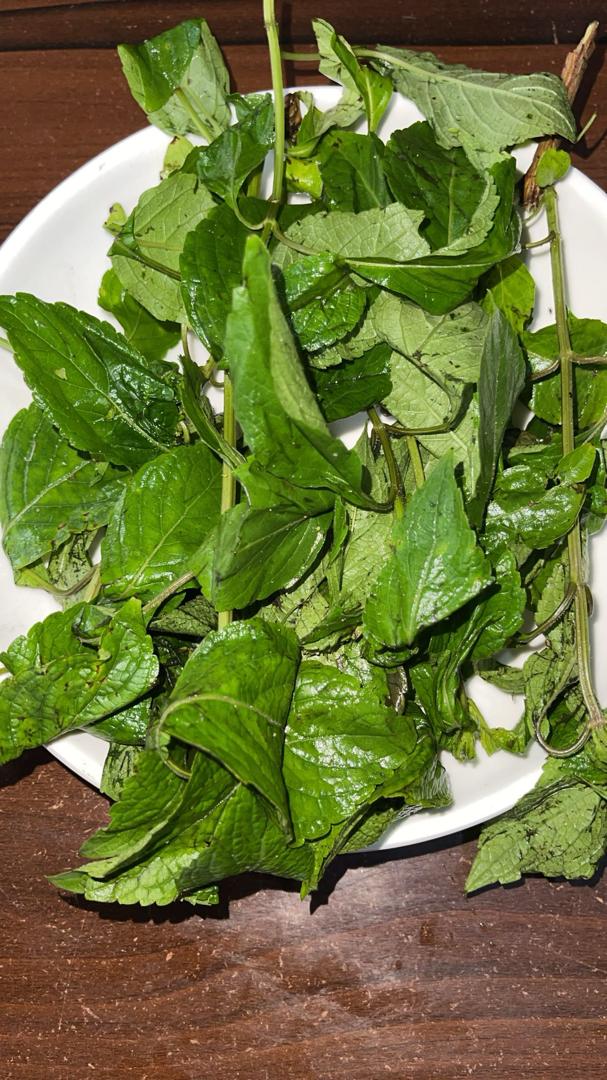
Scent leaf is not a background spice. It goes in at the very end, off the heat or seconds before, and it changes the character of the bowl: herbal, minty, faintly clove-like, insistently fresh.
Igbo cooks often reach for utazi or nchanwu instead, and the bitterness of utazi does something scent leaf cannot. Whichever you use, add it late. Boiled scent leaf tastes like hay.
The Base Aromatics
Onion, scotch bonnet, crayfish and stock
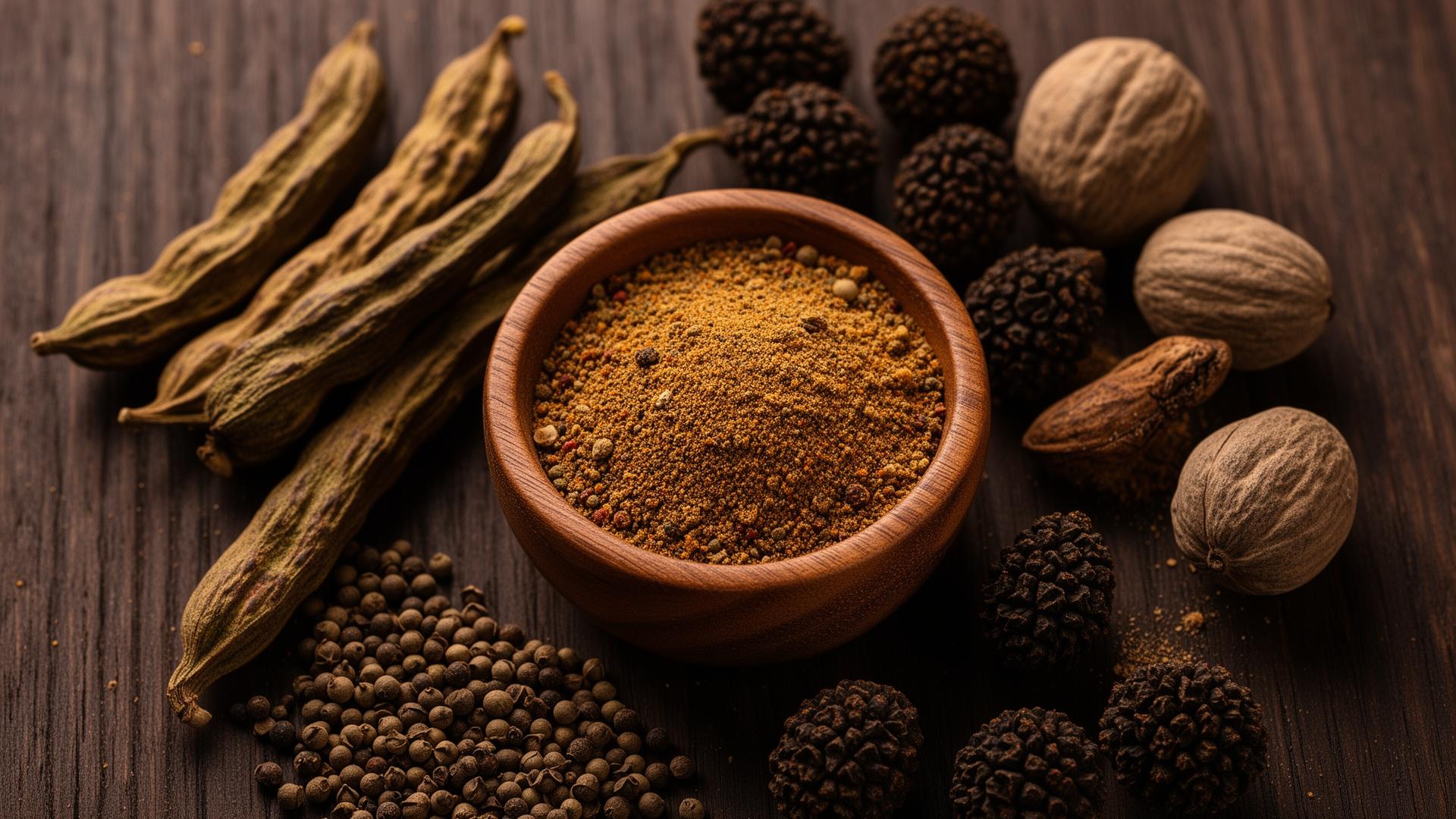
Under the spice blend sits a base that never changes: onion, fresh scotch bonnet (ata rodo), ground crayfish, seasoning cube and salt, all built into a stock made from the protein itself rather than from water alone.
Crayfish is the quiet one here. It supplies the savoury depth that makes people describe pepper soup as more-ish, and it is the single ingredient most often left out by cooks who then wonder why their broth tastes thin.
Protein and Base Ingredients

The spice blend is fixed. The protein is where pepper soup becomes personal, and it changes how much of everything else you need.
Catfish is the Lagos standard. It is oily enough to enrich the broth on its own, so it needs less crayfish and a shorter cook, around twenty minutes. Clean it properly with lime and coarse salt or the slime will cloud the soup. Croaker is firmer and leaner, better if you want a cleaner bowl, and it holds its shape on the spoon.
Goat meat demands the opposite treatment: bone-in cuts, shank and ribs, and a long slow simmer until the marrow gives up. It carries more uda than fish does. Chicken is the gentle one, the bowl people ask for when they are unwell. Cow tail and assorted meat sit at the heaviest end, rich and gelatinous, best with extra uziza to keep them from cloying.
All of these are on the menu at Chipat Bar, cooked the way described here. You can see the full menu and current prices if you would rather taste the reference version before attempting your own. Catfish is the one people ask about most, so we set out the cuts and prices of catfish pepper soup separately.
Regional and Variety Differences
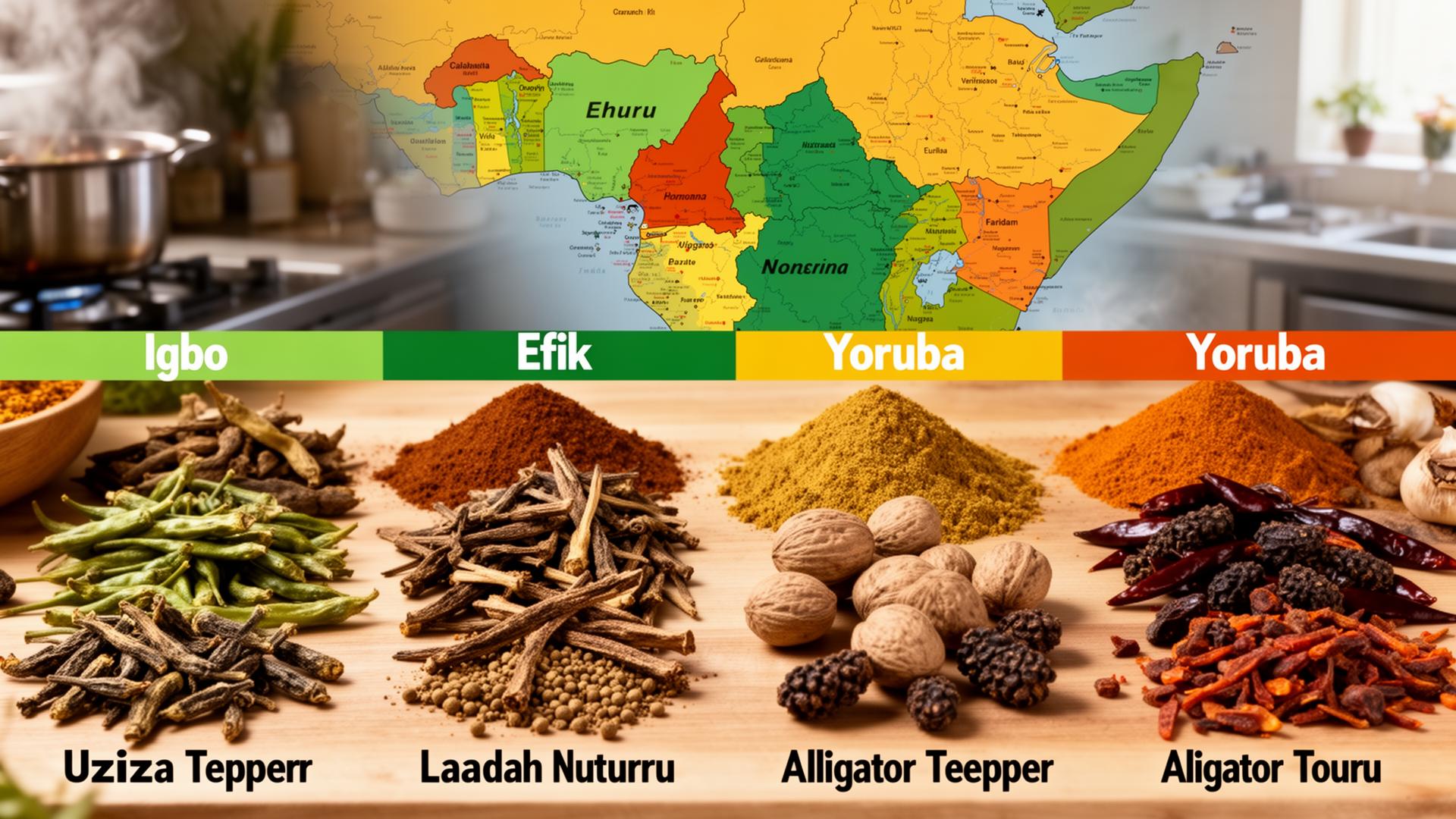
In the South East, the blend leans bitter and herbal. Utazi and nchanwu do the finishing work, ehuru is generous, and nsala-style variations thicken the broth with yam powder into something closer to a white soup.
Efik and Ibibio cooks build around fish and shellfish, so uziza is prominent and the crayfish is heavier. In the South West, scent leaf replaces utazi almost entirely and the result is fresher and less bitter, which is the version most Lagos bars serve.
The protein shifts the ratios as much as geography does. More uda for red meat, more uziza for fish, more ehuru when the broth is rich. There is a longer breakdown in our guide to pepper soup spices by region.
Where to Get the Spice Blend Ready-Made
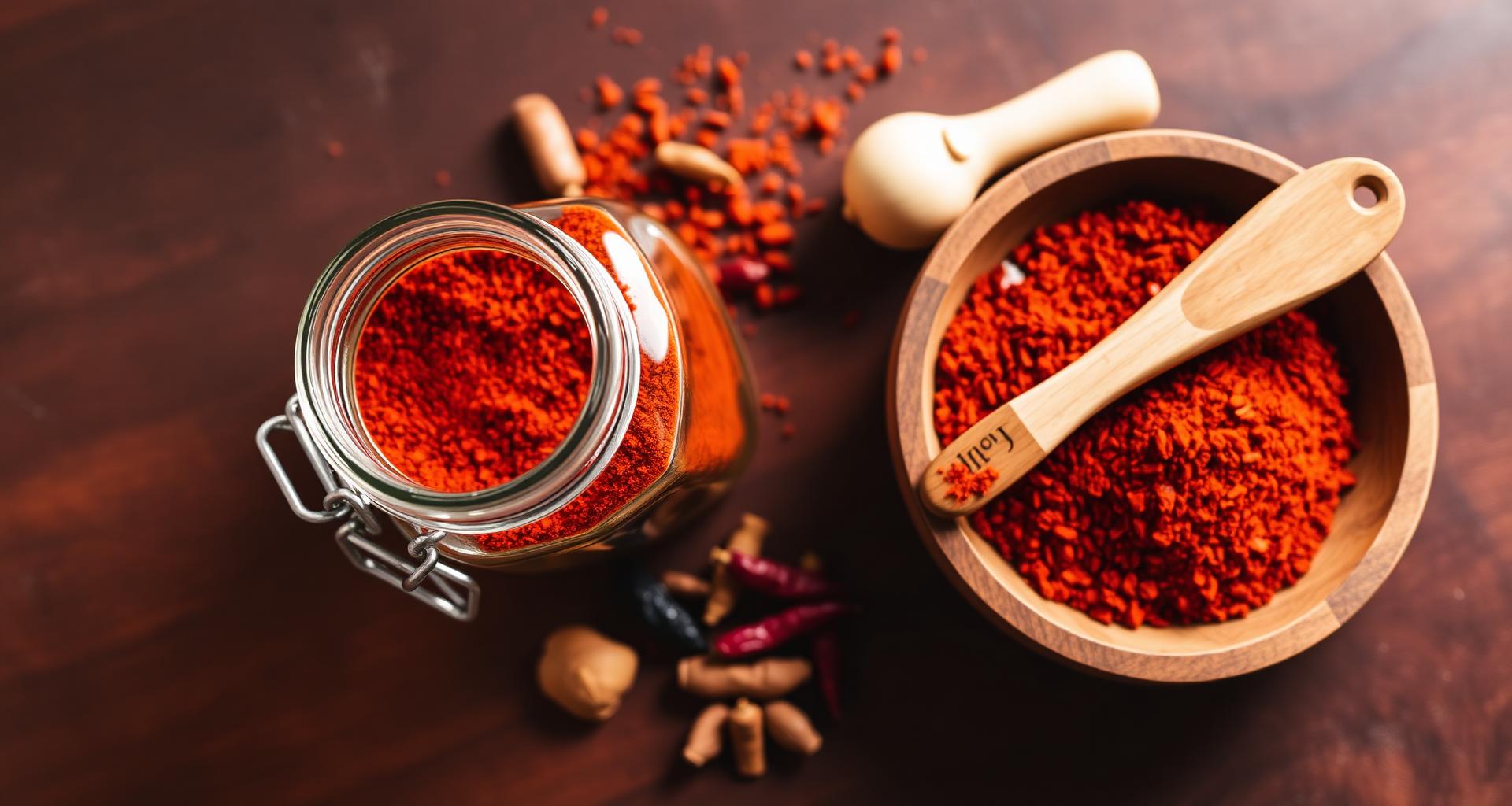
Sourcing five dried aromatics separately, toasting them and getting the ratios right takes a few attempts. If you would rather start from a blend that already works, we grind our house pepper soup spice blend in Ikoyi and are packaging it for home kitchens.
And if you would rather just eat it: that is what the bar is for. Browse the Chipat Bar menu or send us a message and we will deliver anywhere in Lagos.
Put the Ingredients to Work
Pepper Soup Ingredients: Common Questions
What are the ingredients for pepper soup?
Nigerian pepper soup is built on uda (negro pepper), uziza seeds, ehuru (calabash nutmeg), alligator pepper, aidan fruit and scent leaf or utazi. Under those sit onion, scotch bonnet, ground crayfish, seasoning cube and salt, cooked into a stock made from your protein: catfish, goat meat, chicken or assorted meat.
What spices are used in Nigerian pepper soup?
The traditional blend is uda (negro pepper), uziza seeds, ehuru or calabash nutmeg, alligator pepper and aidan fruit, finished with scent leaf or utazi. Underneath that sits onion, scotch bonnet, ground crayfish and a stock made from the meat or fish itself. The chilli supplies the heat, but the dried aromatics supply the flavour people actually remember.
What is pepper soup spice made of?
Packaged pepper soup spice is simply those dried aromatics toasted and ground together, usually uda, uziza, ehuru, alligator pepper and aidan in varying ratios. Every household and every bar grinds its own proportions, which is why no two blends taste alike. Ours is toasted before grinding, which deepens the smoky note from the uda.
Can I make pepper soup without uziza or calabash nutmeg?
You can, and it will still be a decent soup, but it will taste incomplete. Without uziza the broth loses its brightness and the fish oils sit heavy; without ehuru the remaining spices never quite blend into one flavour. If you are missing one, increase the uda slightly and add extra crayfish to keep the depth.
What is the difference between pepper soup and other Nigerian soups?
Pepper soup is a thin, drinkable broth. Egusi, ogbono and banga are all thickened, either with ground melon seed, mucilage or palm fruit extract, and are eaten with swallow. Pepper soup is eaten with a spoon, or with a light side like rice or agidi, and its entire identity comes from the spice blend rather than from a thickener.
Which fish is best for pepper soup?
Fresh catfish is the Lagos default because its oil and natural sweetness enrich the broth as it cooks. Croaker is the alternative when you want firmer flesh and a cleaner, less oily bowl. Frozen fish works at a push, but the broth will never reach the same depth as fresh catfish.
Is pepper soup healthy?
It is one of the lighter things on a Nigerian menu: a clear broth, lean protein and aromatics, with no thickener and very little oil. The spices are also traditionally used for digestion and for warming the body during harmattan or the rains. It is not medicine, but as a hot meal that leaves you comfortable rather than heavy, it earns its reputation.
Patience Agwu
Owner, Chipat Bar Ikoyi
Patience has been cooking and serving authentic Nigerian pepper soup in Lagos since 2018. Every guide and recipe on this site is drawn from years of daily kitchen experience at Chipat Bar.